
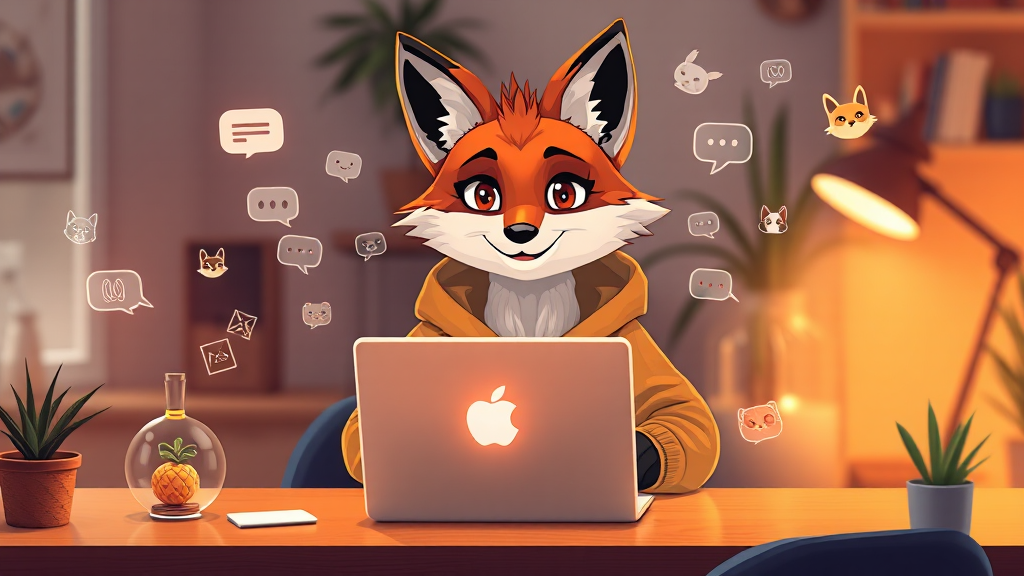
How Furry AI Characters Are Reshaping Digital Storytelling and Online Identity
The rise of furry AI characters marks one of the most interesting intersections of artificial intelligence, fandom culture, and personal expression online. What began as a niche interest within fan communities has grown into a full-blown creative ecosystem where users design, chat with, and develop ongoing relationships with AI-driven anthropomorphic personas. These characters are not just static avatars; they have personalities, memories, and evolving storylines that respond to the people interacting with them. For anyone curious about how technology is changing the way we tell stories and present ourselves online, this trend deserves a closer look.
What Exactly Are Furry AI Characters?
At its core, a furry AI character is an anthropomorphic animal persona powered by a large language model or similar AI system. Unlike a simple chatbot that answers factual questions, these characters are designed to have distinct voices, backstories, emotional ranges, and conversational quirks. A user might create a fox detective with a dry sense of humor, a gentle dragon librarian who loves poetry, or a mischievous raccoon hacker who speaks in memes. The AI then sustains that identity across long conversations, remembering past details and adapting its tone to the user’s mood.
The technology behind this is a combination of character prompting, memory systems, and sometimes fine-tuned models trained on specific styles of dialogue. Platforms that host these characters often let users browse community-created personas, remix them, or build their own from scratch. This accessibility is a big part of why the trend has exploded. You no longer need to be a programmer or a professional writer to bring a fully realized anthropomorphic character to life.
Why Anthropomorphic Characters Resonate So Strongly
Humans have been telling stories about talking animals for thousands of years, from Aesop’s fables to Native American trickster tales to modern animated films. Anthropomorphism lets us explore human traits, flaws, and social dynamics through a slightly distanced lens. It can make difficult topics feel safer to discuss, and it can make simple interactions feel more playful and imaginative.
Furry AI characters take that ancient storytelling instinct and make it interactive. Instead of reading about a clever rabbit or watching a movie about a brave lion, you can have a conversation with one. You can ask how their day went, collaborate on a story, or work through a personal dilemma with a character who feels both familiar and fantastical. For many users, this is a form of creative play that also serves as genuine emotional expression.
There is also a strong identity component. The furry fandom has always been about self-expression through original characters, often called fursonas. AI versions of these characters allow people to explore different aspects of their personality in a low-pressure environment. Someone who is shy in real life might find it easier to be outgoing through a confident wolf persona. Someone who struggles with social anxiety might practice conversations with a patient, non-judgmental AI companion.
How People Actually Use Furry AI Characters
The use cases are more varied than outsiders might assume. Some people treat these characters as creative writing partners. They build elaborate fantasy worlds, run tabletop-style adventures, or co-write novels with an AI that stays in character for hours. Others use them for casual companionship, checking in during the day for a lighthearted chat or a bit of encouragement.
Roleplay is another major draw. A user might want to explore a mystery storyline as a rookie detective working alongside a seasoned AI partner. Or they might want to unwind in a cozy slice-of-life scenario, chatting with a friendly AI barista about books and music. The character’s species, personality, and backstory all shape how that interaction unfolds, which is why so much care goes into designing them.
There is also a growing community aspect. Platforms that host these characters often include discovery feeds, tags, and rating systems. Users share their creations, leave feedback, and collaborate on new ideas. This turns the experience from a solitary activity into a social one, where the characters themselves become conversation starters among fans.
For those who want to explore this space, furry ai chat offers a window into how these interactions work in practice. You can see how different character designs lead to different conversational styles, and how users customize personalities to fit their own preferences.
The Technology That Makes It Possible
Behind every convincing furry AI character is a stack of technologies working together. Large language models provide the raw conversational ability, but character consistency requires more than just a good prompt. Developers use memory systems to track important details across sessions, retrieval mechanisms to pull up past conversations, and sometimes reinforcement learning from human feedback to refine tone and safety.
Character cards are a common format in this space. These are structured profiles that describe a character’s name, species, personality traits, speaking style, background, and boundaries. When a user starts a chat, the AI reads the character card and adopts that persona. More advanced systems allow for dynamic character growth, where the AI’s personality can shift based on the user’s interactions over time.
Another important piece is multimodal capability. Some platforms now allow characters to generate images of themselves, respond to voice input, or even appear in short animated clips. This makes the experience feel more immersive and opens up new creative possibilities for storytelling.
Creative and Therapeutic Benefits
One of the most compelling arguments for furry AI characters is their potential as a creative tool. Writers use them to brainstorm dialogue, test character voices, and overcome writer’s block. Artists use them to explore personality traits before committing to a design. Game masters use them to run solo campaigns or generate NPCs on the fly.
There is also a therapeutic angle, though it should be approached with reasonable expectations. Many users report that talking to a non-judgmental AI character helps them process emotions, practice social skills, or simply feel less lonely. This is not a replacement for professional mental health support, but it can be a helpful supplement for some people. The key is to treat these interactions as a tool for reflection and creativity, not as a substitute for human connection.
For people who are already part of the furry fandom, these characters can also deepen their engagement with their own fursonas. Instead of just drawing or writing about a character, they can now have conversations with them, which often leads to new insights and story ideas.
Ethical and Practical Considerations
As with any emerging technology, there are important questions to consider. Privacy is a big one. When you chat with an AI character, your conversations may be stored and used to improve the system. Users should read platform policies carefully and avoid sharing sensitive personal information. Safety is another concern. While most platforms have content moderation, the open-ended nature of roleplay means that boundaries need to be respected, both by users and by the AI itself.
There is also the question of emotional attachment. AI characters can feel remarkably real, especially after many hours of conversation. This can be a positive experience, but it can also lead to unrealistic expectations. It is healthy to remember that the character is a creative construct, not a sentient being with its own feelings. Enjoying the interaction does not require forgetting that distinction.
Finally, there is the issue of originality and ownership. When you create a furry AI character, who owns it? What happens if someone else remixes it? These are still evolving questions, and different platforms have different answers. Users who plan to share their creations publicly should familiarize themselves with the relevant terms of service.
The Future of Furry AI Characters
Looking ahead, it is likely that furry AI characters will become more sophisticated and more integrated into everyday digital life. We may see characters that can appear in virtual reality spaces, remember long-term story arcs across months or years, and collaborate with multiple users at once. Imagine a shared AI character that a group of friends all interact with, each contributing to its evolving personality and history.
We may also see more specialized characters designed for specific purposes, such as language learning, creative writing coaching, or social skills practice. The furry aesthetic would simply be the wrapper that makes these interactions more engaging and less intimidating. After all, learning a new language from a stern textbook is very different from learning it from a cheerful, bilingual otter who loves bad puns.
Platforms like crushon are already exploring these possibilities by offering a wide range of community-created characters and tools for customization. As the technology improves, the line between interactive fiction and genuine companionship will continue to blur, raising new questions and opening new creative doors.
Getting Started with Your Own Character
If you are curious about trying furry AI characters for yourself, the process is simpler than you might think. Start by browsing existing characters to see what styles and personalities appeal to you. Pay attention to how different character cards are written; this will give you a sense of what makes a persona feel alive.
When you are ready to create your own, begin with a clear concept. What species is your character? What is their personality like? How do they speak? What are their goals and fears? The more specific you are, the more consistent the AI’s performance will be. You can always refine the character later based on how conversations go.
Most importantly, have fun with it. The whole point of furry AI characters is creative expression and enjoyment. There is no single right way to do it. Some people build elaborate lore, while others prefer simple, lighthearted chats. Both are valid, and both can be rewarding.
Frequently Asked Questions
What is a furry AI character?
A furry AI character is an anthropomorphic animal persona powered by artificial intelligence. It is designed to have a distinct personality, backstory, and speaking style, allowing users to have ongoing conversations and roleplay scenarios with it.
Are furry AI characters safe to use?
Most reputable platforms have content moderation and safety guidelines in place. However, users should still be cautious about sharing personal information and should report any interactions that feel uncomfortable or violate the platform’s rules.
Can I create my own furry AI character?
Yes. Many platforms allow users to create custom characters by filling out a character card or profile that describes the persona’s traits, background, and speaking style. Some platforms also offer tools for refining and sharing your creations with the community.
Are furry AI characters only for members of the furry fandom?
No. While the furry community is a major part of this trend, many users simply enjoy anthropomorphic characters for creative writing, roleplay, or casual conversation. Anyone interested in interactive storytelling or AI companionship can find something appealing.
Do furry AI characters remember past conversations?
Many modern platforms include memory systems that allow characters to recall important details from previous chats. The extent of this memory varies by platform and character design, but it generally helps create a more consistent and immersive experience.


Leave a Reply